
Computational Neuroscience
Virtual-Trajectory-Based Compliant Control
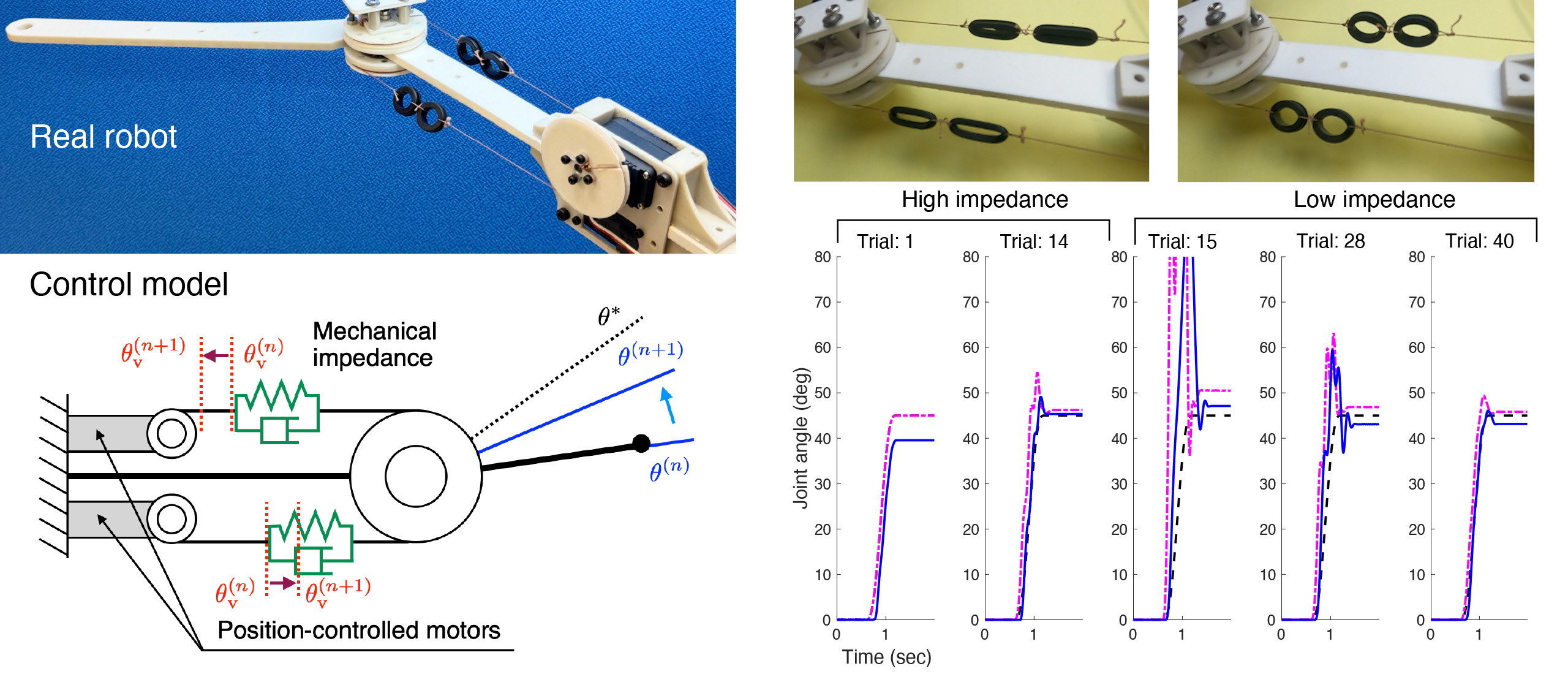
The human arm can stiffen its joints for accurate movement or soften them to absorb impacts. In this project, we extended the repetitive control method based on the "virtual trajectory" — the time series of spring equilibrium positions proposed by Uno et al. — to the control of physical robotic joints with antagonistic muscle structures.
Status: Completed (FY2025). See the related publications below.
Virtual-Trajectory-Based Compliant Control
2018 – 2024
Overview
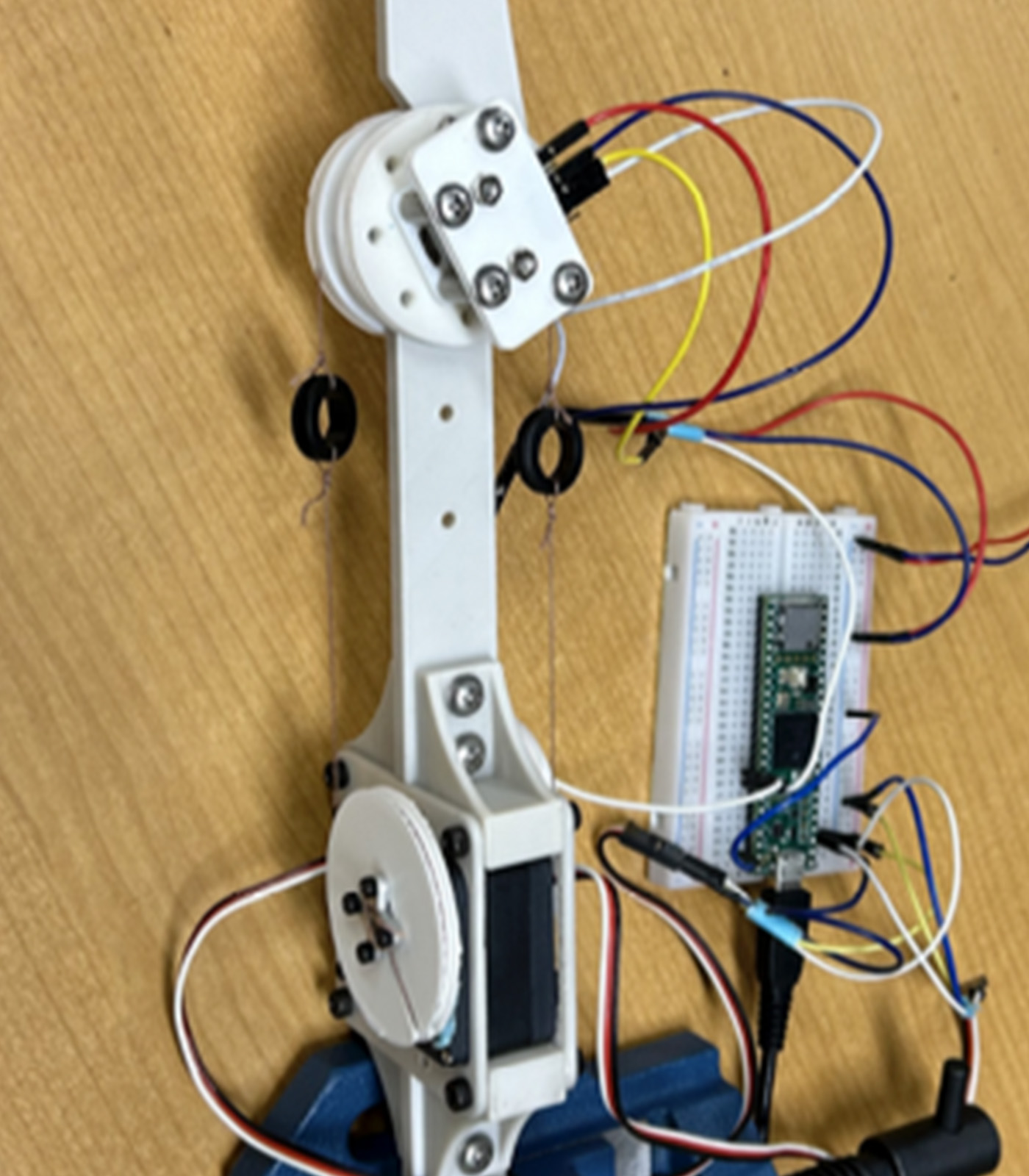
We extended a repetitive control method based on the "virtual trajectory" — the time series of spring equilibrium positions — to physical robotic joints with antagonistic muscle structures like the human body. Combined with variable stiffness mechanisms, an accurate virtual trajectory can be acquired in a small number of repetitions while keeping the joint compliant.
Technical Features
- Model-free control based on the virtual trajectory (time series of spring equilibrium positions)
- Combination with repetitive control achieves both compliance and accuracy
- Demonstrated on physical antagonistic and variable-stiffness joints
Specifications
- Control law: virtual-trajectory-based repetitive control
- Targets: antagonistic-muscle robotic joints and variable stiffness mechanisms
- Feature: accurate trajectory tracking while keeping the joint compliant
Results
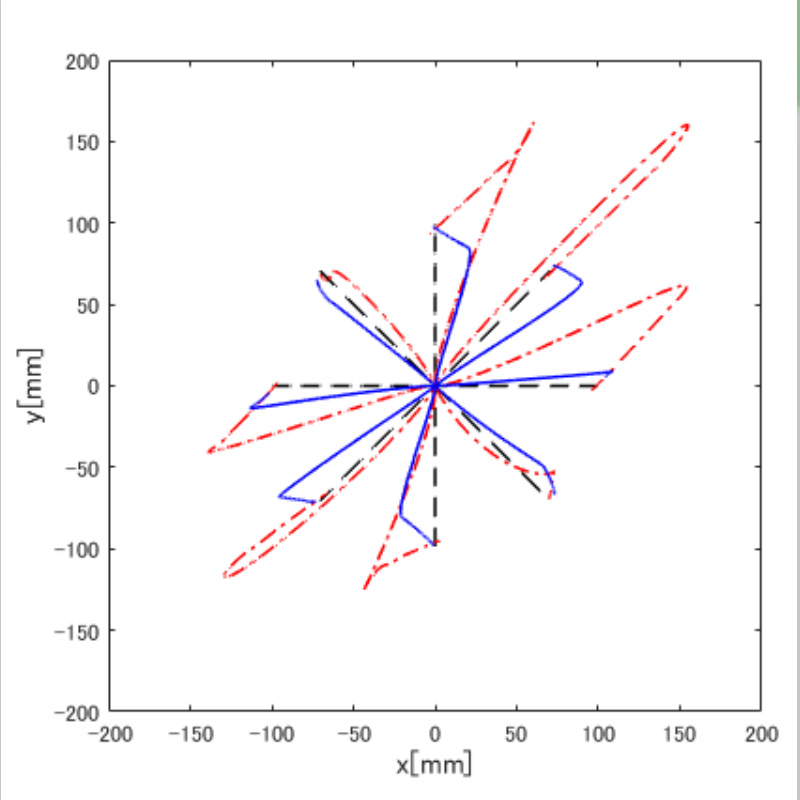
Showed that virtual-trajectory-based repetitive control adapts to force fields
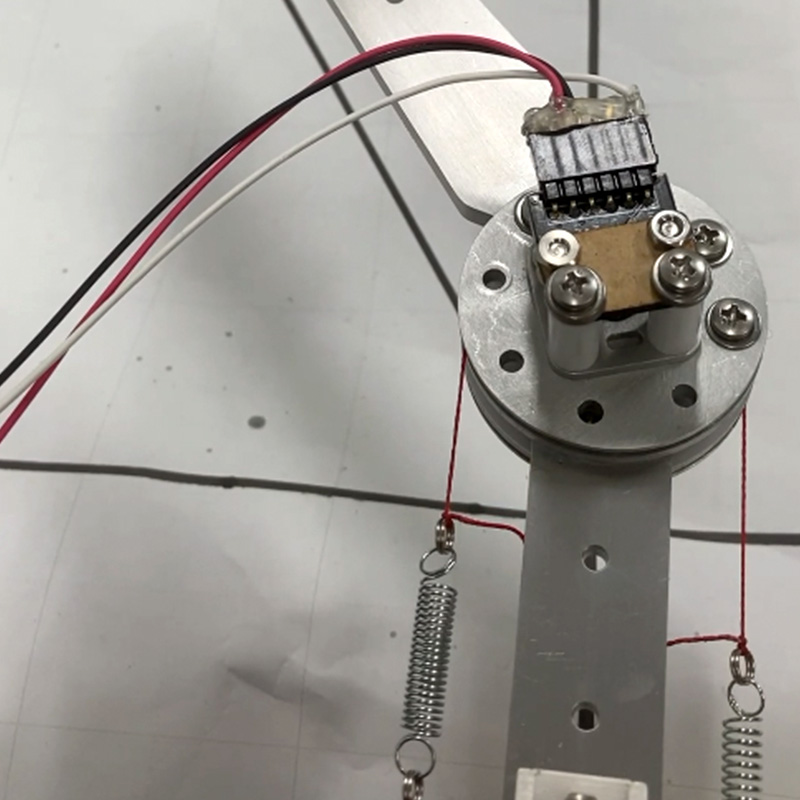
Applied the method to a physical robot with antagonistic muscle structure
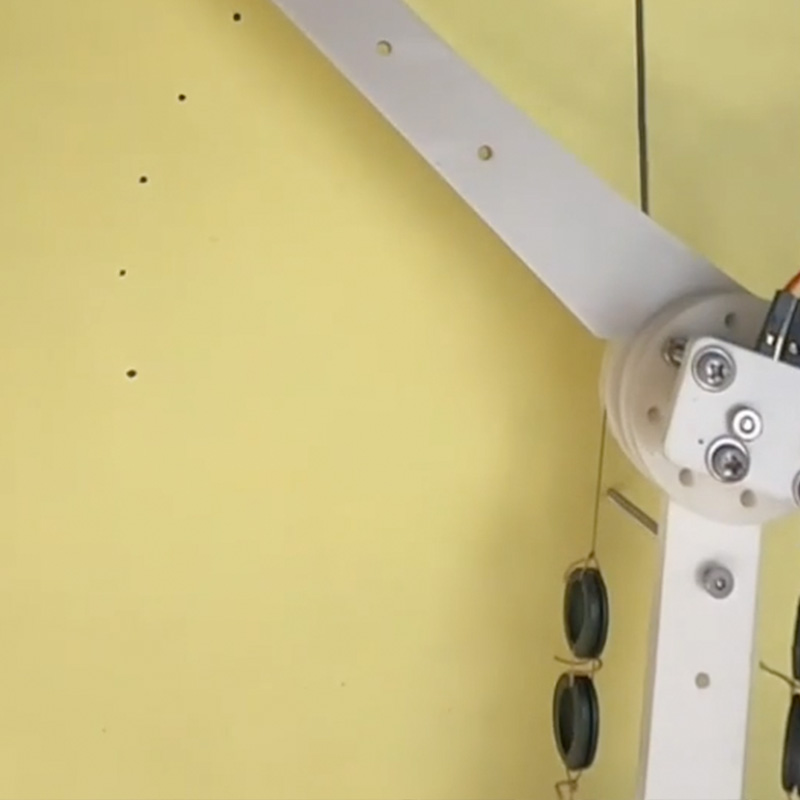
Showed on hardware that variable stiffness mechanisms enable efficient learning of virtual trajectories
Related Videos (in Japanese)
2020年度 修論 拮抗筋構造を有した実ロボットに対する繰り返し計算に基づく仮想軌道制御
2021年度 卒論 未来時間を考慮した仮想軌道に基づく繰り返し制御に関する研究